|
Job Forum - Feel Free to Post your Job Listings and Services Here - All Submissions must be approved to become visible for all to see. >
A Brief History of Chinese Tea
A Brief History of Chinese Tea
Page:
1
Guest
Guest
Jul 07, 2026
4:30 AM

|

Chinese tea is not just a beverage; it is a culture, tradition, and an art form. For centuries, it has played an essential role in Chinese history and continues to thrive globally. In this article, we will delve into the various types of Chinese tea name, the rich history behind them, and the health benefits they offer.
### A Brief History of Chinese Tea
Tea drinking in China dates back thousands of years, with its origins tracing back to the Shang Dynasty around 1600-1046 BC. Legend has it that Emperor Shen Nong accidentally discovered tea when some leaves from a wild tree blew into his pot of boiling water. This serendipitous moment marked the beginning of tea culture in China.
Throughout the dynasties, tea evolved from a medicinal drink to an everyday beverage, and its significance expanded to sociopolitical realms. The Tang Dynasty (618-907 AD) saw the first tea leaves being processed, while the Song Dynasty (960-1279 AD) popularized tea drinking in homes and social gatherings. Today, Chinese tea is not only enjoyed within China but is also cherished worldwide.
### Types of Chinese Tea
China is known for its diverse selection of teas, categorized into six main types, each with unique flavors, aromas, and brewing techniques:https://ichtea.com/collections/chinas-ich-tea
https://ichtea.com/collections/tea-ware
https://ichtea.com/collections/tea-moodscape
https://ichtea.com/pages/china-national-international-cultural-trade-base
https://ichtea.com/products/age-defying-aromaprimetea
https://ichtea.com/products/2025-handcrafted-jinguanyin-tea
https://ichtea.com/collections/silver-pot-and-iron-pot
https://ichtea.com/collections/small-brewing-pot
https://ichtea.com/collections/porcelain
https://ichtea.com/collections/public-cup-jianshui
https://ichtea.com/collections/tea-tray
https://ichtea.com/collections/tea-stove-kettle
https://ichtea.com/collections/tea-box
https://ichtea.com/collections/seating-furniture
https://ichtea.com/collections/table
1. **Green Tea**: Renowned for its fresh and natural taste, green tea undergoes minimal oxidation during processing. Popular varieties include Longjing (Dragon Well) and Biluochun. Green tea is celebrated for its high antioxidant content and potential health benefits.
2. **Black Tea**: Known as "red tea" in China, black tea undergoes full oxidation, resulting in a robust flavor. Famous types include Keemun and Dianhong. Black tea is often enjoyed with milk or lemon and is favored for its stimulating effects.
3. **Oolong Tea**: Oolong tea is semi-oxidized, offering a balance between green and black teas. It is known for its complex flavors and fragrant aroma. Tieguanyin and Da Hong Pao are among the most prized oolong teas.
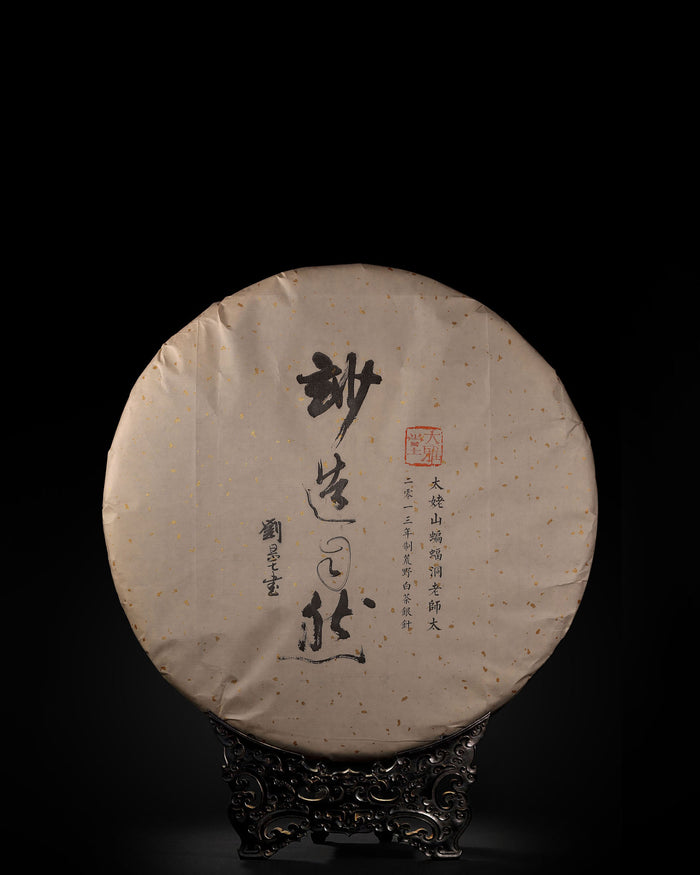
4. **White Tea**: The least processed of all teas, white tea comes from young tea leaves and buds. It has a delicate flavor and subtle aroma, with Silver Needle and White Peony being notable varieties. White tea is sought after for its gentle health benefits.
5. **Pu-erh Tea**: Originating from Yunnan province, Pu-erh tea is fermented and aged, resulting in a rich, earthy taste. It is available in both raw and ripe forms. Pu-erh is reputed for its ability to aid digestion and promote weight loss.
6. **Herbal Tea**: While not technically "tea," herbal blends made from fruits, flowers, and herbs are popular in Chinese culture. Chrysanthemum and goji berry teas are well-known for their soothing properties.
### Health Benefits of Chinese Tea
Chinese tea is often regarded as a healthier beverage choice rich in antioxidants, vitamins, and minerals. Some notable health benefits include:
- **Antioxidant Properties**: The polyphenols found in tea are known to combat oxidative stress, potentially reducing the risk of chronic diseases.
- **Heart Health**: Regular tea consumption has been associated with improved heart health and reduced cholesterol levels.
- **Weight Management**: Certain teas, particularly green and Pu-erh, may boost metabolism and assist in weight loss efforts.
- **Mental Clarity**: The moderate caffeine content in black and oolong teas can enhance focus and concentration, making them a perfect choice for studying or working.
- **Hydration**: Contrary to the belief that caffeinated beverages lead to dehydration, tea can be a hydrating part of your daily fluid intake.
### How to Brew the Perfect Cup of Chinese Tea
Brewing the perfect cup of Chinese tea involves attention to detail. Here are some basic tips:
1. **Use Quality Tea Leaves**: The best flavors come from high-quality, loose-leaf tea rather than tea bags.
2. **Control Water Temperature**: Different teas require different water temperatures for optimal flavor. Generally, green teas benefit from cooler temperatures (70-80°C) while black and oolong teas are best brewed at boiling point (100°C).
3. **Steeping Time**: Follow the recommended steeping times, which usually range from 1 to 5 minutes, depending on the type of tea. Over-steeping can result in bitterness.
4. **Enjoy Mindfully**: Take a moment to appreciate the aroma and taste of your tea. Mindful drinking enhances the overall experience.
### Read More
Chinese tea is a treasure trove of flavors, traditions, and health benefits. Whether you’re a seasoned tea enthusiast or just beginning to explore this diverse world, there is a variety of Chinese tea that will suit your palate. By understanding its history, types, and brewing methods, you can fully appreciate the intricate art of Chinese tea. So, brew yourself a cup and embark on a journey through the rich heritage of one of China's most cherished cultural gifts.
|
Post a Message
|
|
|